
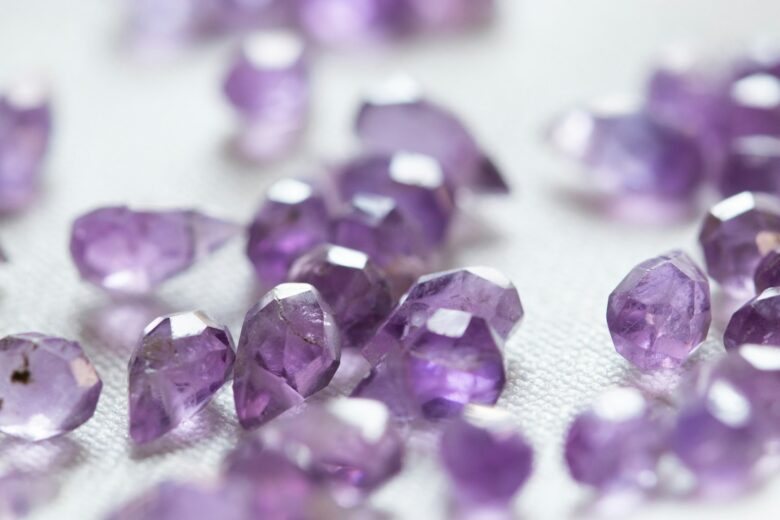
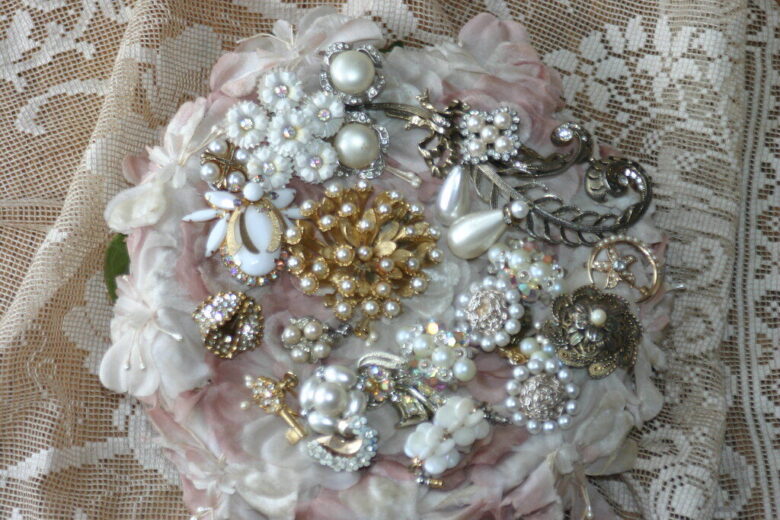
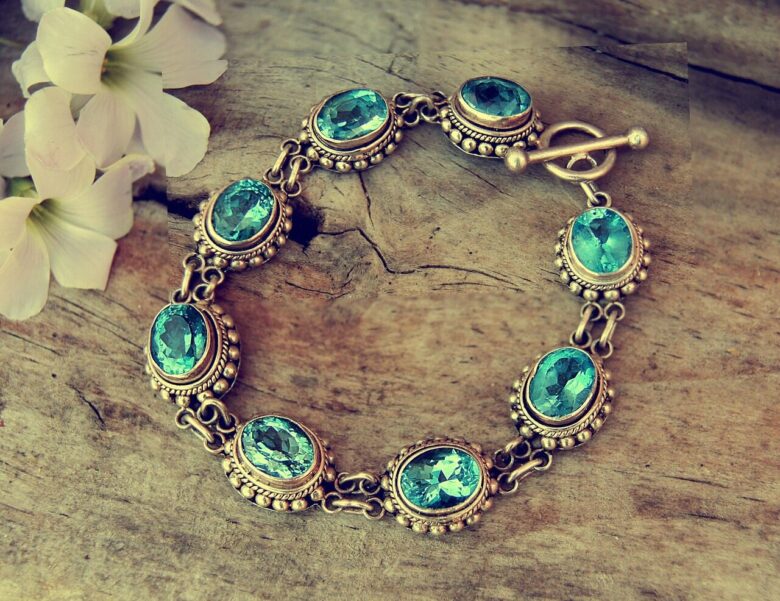
Antique jewelry is returning with purpose: heirloom details, hand-cut stones, and Art Deco lines feel uniquely personal in a mass-made era-sustainable, story-rich, and effortlessly modern when reimagined.
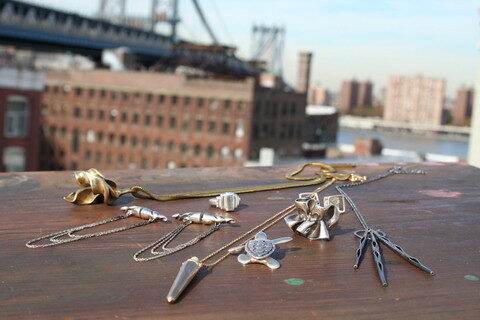
In 2026, sustainable jewelry begins at the source: verified mines, fair wages, and traceable gems. Ethical sourcing cuts harm, protects workers, and makes every sparkle a transparent, lasting choice.

Minimalist layering is a study in balance: pair a choker with a mid-length pendant and a longer chain. Vary textures, keep metals consistent, and let one focal charm do the talking.
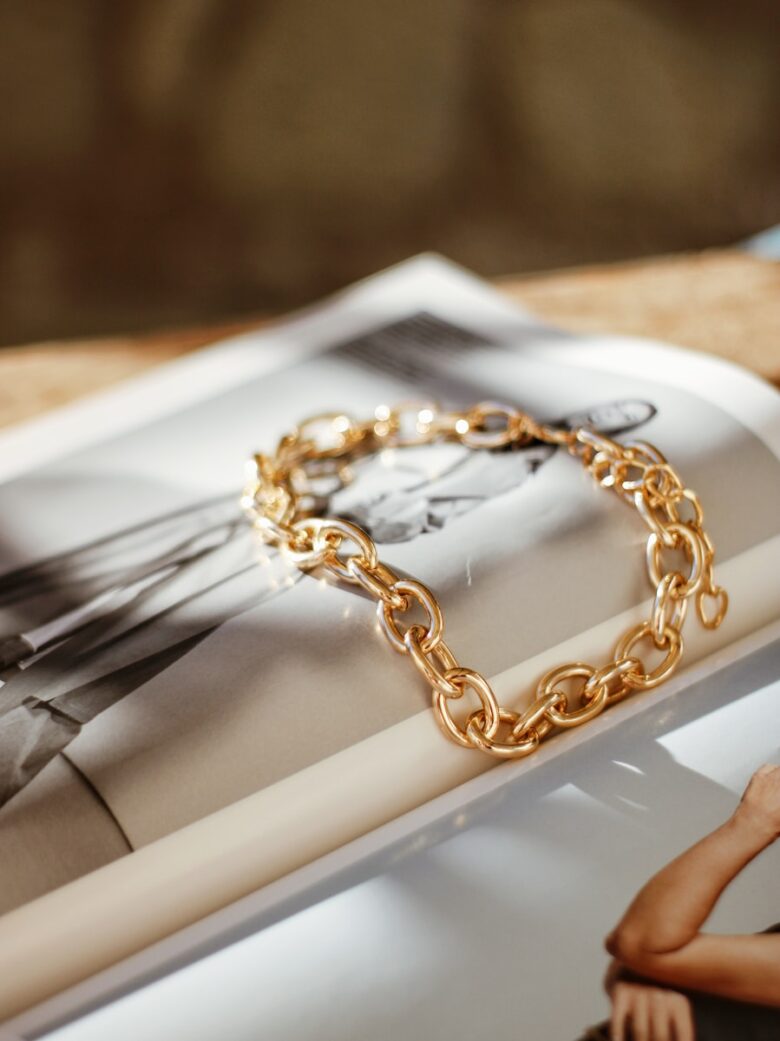
Stop letting beauty tarnish: storing silver in humid air, skipping gentle polishing, using harsh chemicals, mixing metals, and wearing pieces in pools or perfume can quietly dull-and damage-your collection.
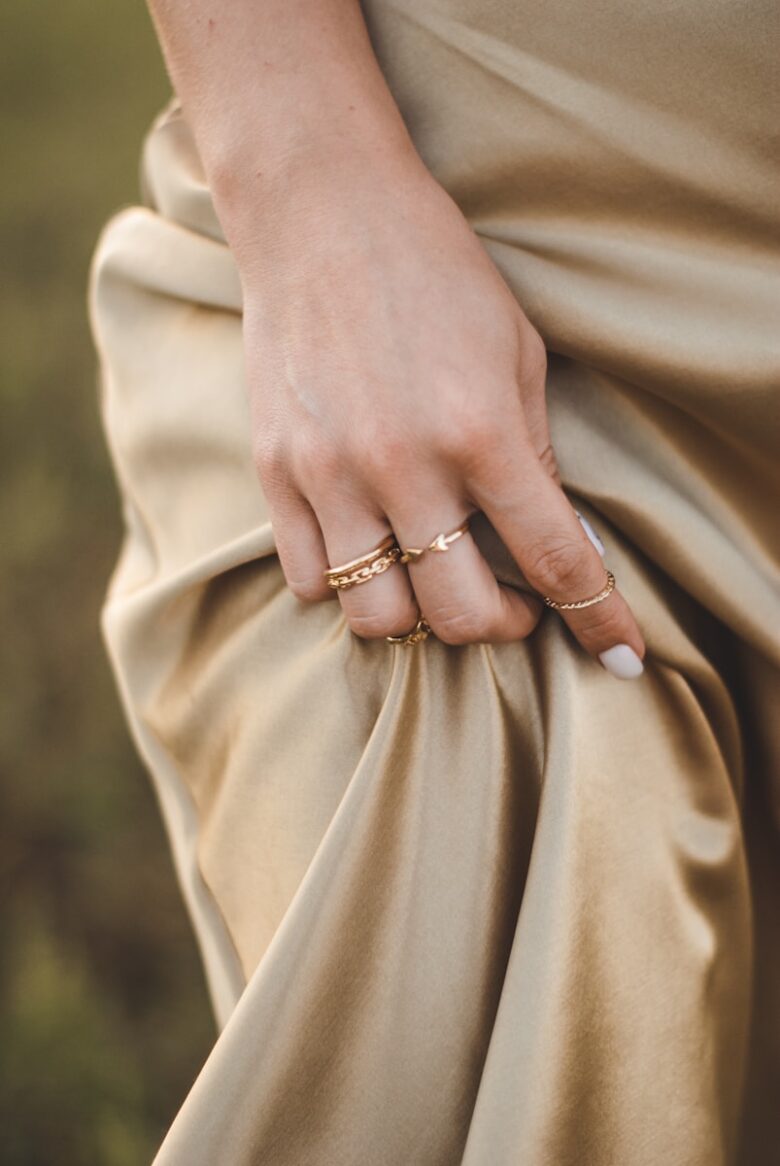
Choose a statement piece by matching mood, setting, and scale: bold earrings for brunch, a sculptural clutch for cocktails, a sharp watch for work, and one standout color to tie it all together.
For sensitive skin, choose titanium, niobium, or implant-grade stainless steel; they resist corrosion and shed fewer irritants. Add platinum or 14k+ gold for luxe shine without the itch.
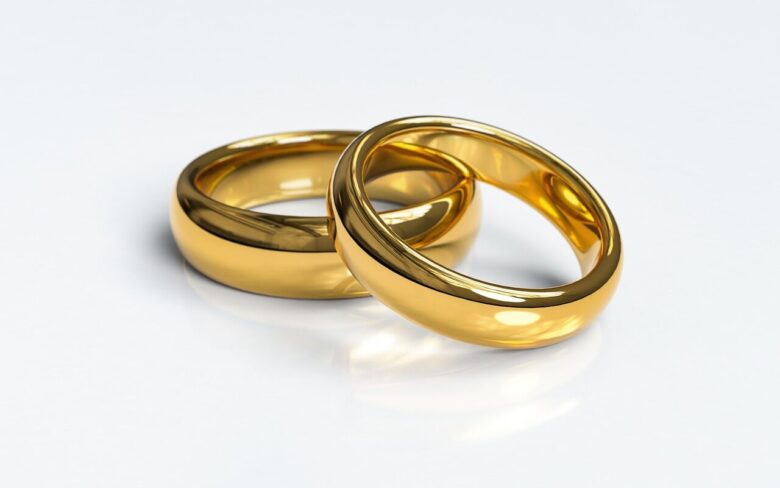
Before you buy, ask about diamond grading, metal durability, ethical sourcing, return policies, resizing, warranty coverage, and future upgrade options-so your ring shines for a lifetime, not just at checkout.
Balance your features with jewelry: angular faces glow in hoops and soft curves, while round faces shine in sleek drops. Match metals to undertones-gold for warm, silver for cool, rose for neutral.
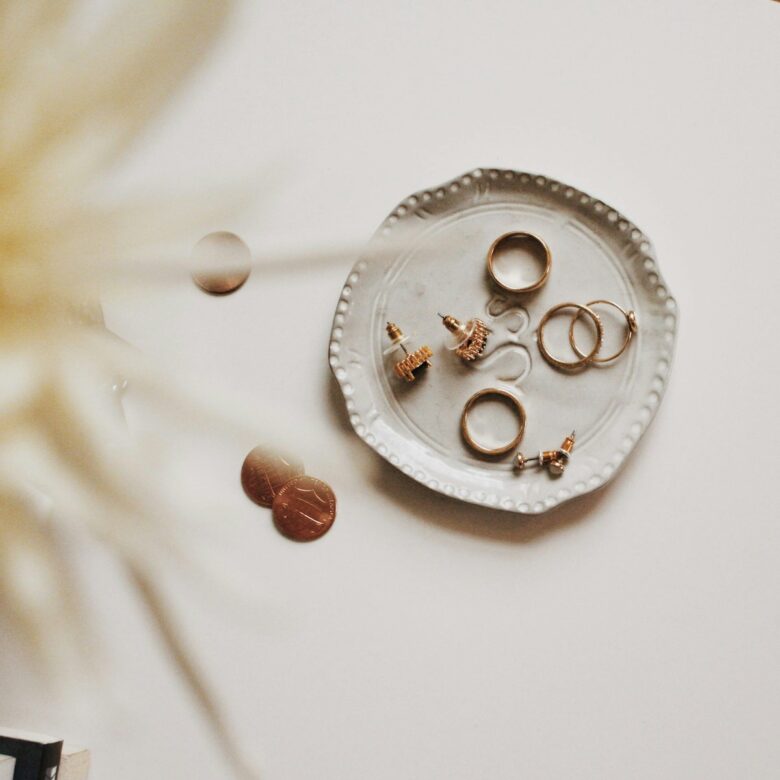
Store fine jewelry in airtight pouches with silica gel, separating pieces to stop scratches and metal reactions. Keep it cool, dry, and away from perfumes to slow tarnish.
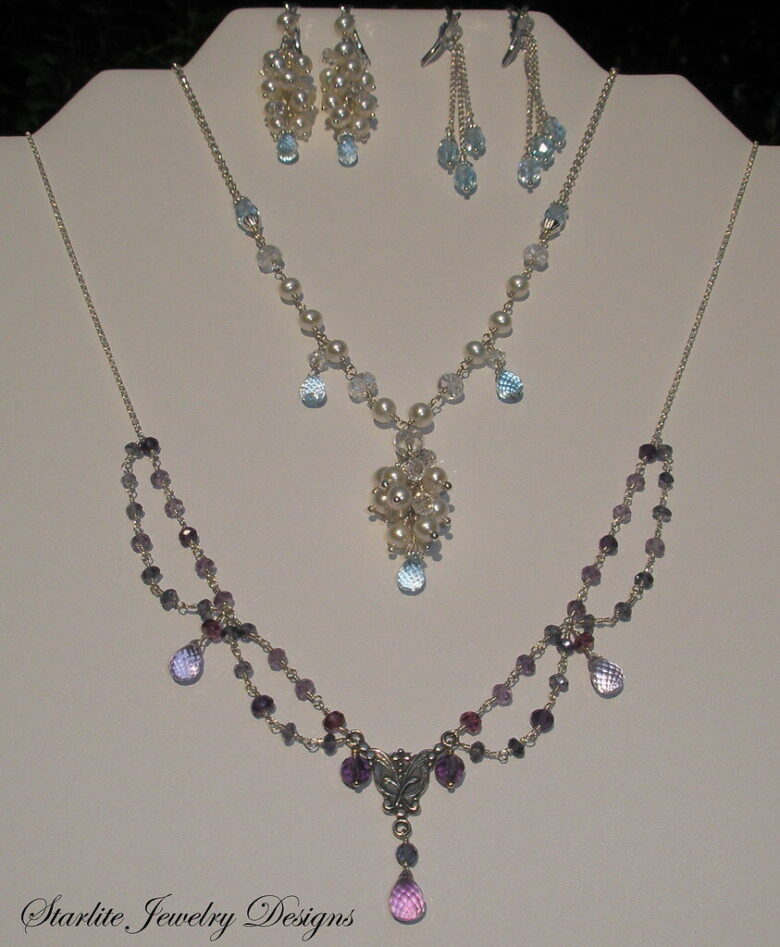
Gold plated is a thin flash over base metal; vermeil is thicker gold over sterling silver; solid gold is gold throughout-priced higher, worn longer, and worth the splurge when longevity matters.